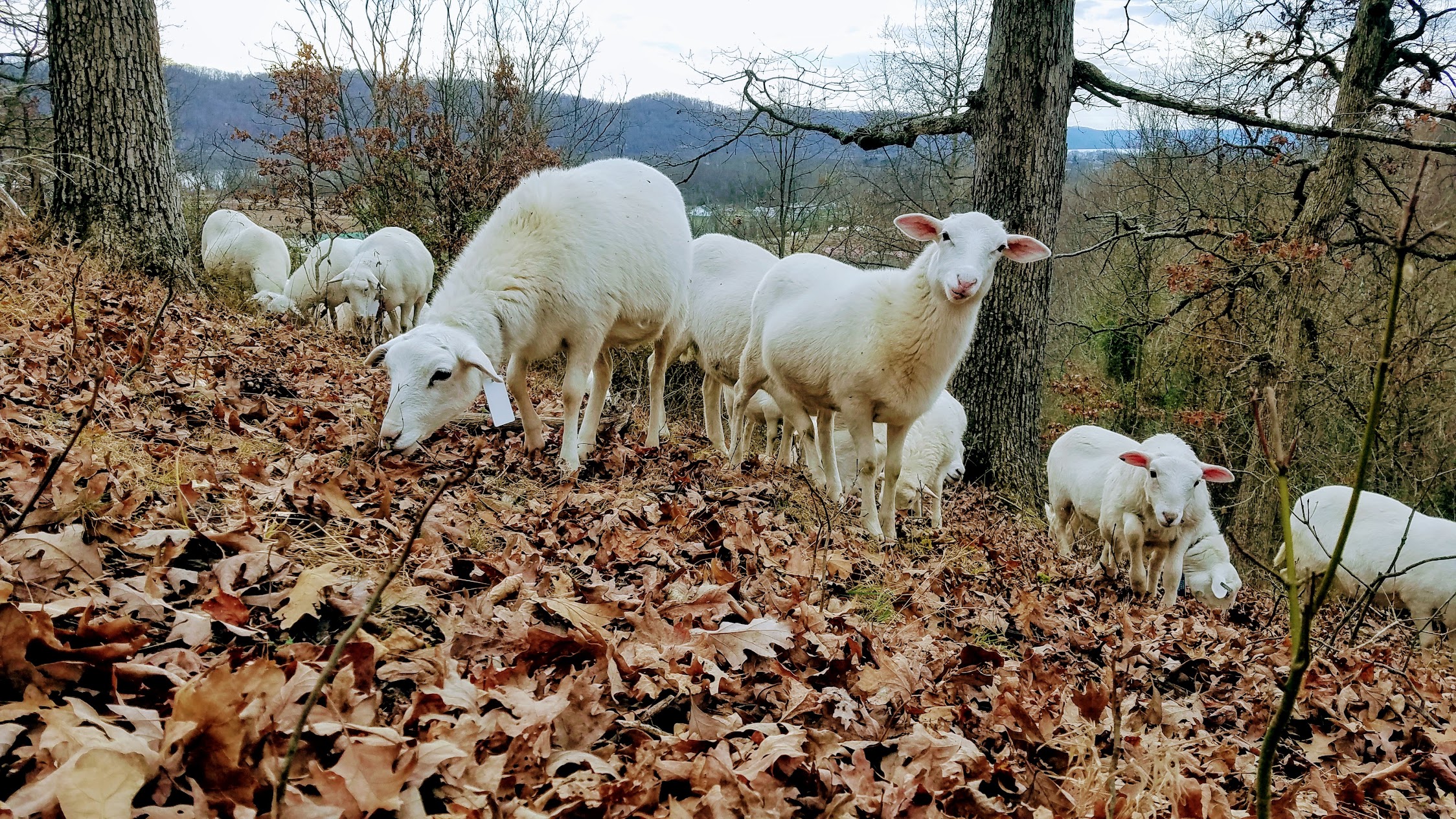
This year, we made the deliberate decision to move our flock to a fall lambing system. When you’re running a 35-ewe St. Croix seedstock farm, the calendar is one of your most critical management tools. Changing when our lambs hit the ground changes everything from our feed costs and pasture rotations to our daily labor and, ultimately, the size of the check we get when those lambs leave the property.
The Market and the Checking Account
First and foremost, it comes down to the market. We wanted our cull lambs ready to sell as “light lambs” when prices peak in February and March. St. Croix are incredible, highly resistant sheep, but they aren’t heavy terminal breeds. They grow at their own pace and rarely get that “fat lamb” look that brings top dollar at commercial auctions. By timing their arrival for the fall, we can grow them out through the winter and sell them during that high-priced late-winter light lamb window. While our primary focus is producing high-quality, registered breeding stock, even lambs that don’t make the cut as replacements have to pay their way. Smart timing is how we make that happen and keep a positive balance in our checking account.
Giving the Ewes a Break
The second big reason is the comfort of our ewes. Cool fall grazing is some of the kindest, most nutritious forage of the year. It allows our ewes to lamb and lactate on decent grass in mild weather rather than battling the summer heat and humidity. St. Croix are hair sheep and handle the warmth much better than wool breeds, but lactation is still a lot easier on them on good fall pastures than during a July forage slump.
Tricking the Calendar with CIDRs
Of course, breeding in the spring for fall lambs isn’t as simple as just opening the gate. Even though St. Croix sheep are considered aseasonal breeders, April is a tough time to get them cycling naturally. To make this shift work, I used CIDRs (Controlled Internal Drug Release devices) on 20 of our ewes. By vaginally inserting these progesterone devices for about 12 days and then pulling them, we essentially trick their bodies into thinking they’ve completed a cycle. This kickstarts their reproductive systems out of season and gets them completely synchronized. Once the CIDRs were out, we introduced the ewes to the rams on April 16. This means those ewes will lamb in a very tight, predictable window, which makes managing deliveries infinitely easier. It also means that we can more accurately compare the performance of lambs, since they will all be born within a couple of weeks.
Capturing Winter Feed Costs
The fourth reason is winter feed. We’re already committed to feeding hay and a supplement mix of soybean hull pellets and whole corn all winter anyway. High-quality round bales are tough to find in our area and the ground is too wet to graze without damaging pastures. Adding fall lambs to the mix doesn’t really create a brand-new winter chore. It just makes honest use of a feeding season we’re already paying for. The ewes and lambs are in the dry lot and on feed when the farm is already set up to handle it, so we aren’t adding a second expensive feeding season—we’re just maximizing the efficiency of the one we have.
Saving the April Grass
Finally, we wanted to protect our spring pastures. By lambing in the fall, those market lambs are weaned, sorted, and off the property before the spring grazing season really ramps up in April. Spring growth is when the land needs to work hardest for the nucleus breeding flock we keep. Keeping the market lambs gone means that lush, fresh spring grass goes entirely to our core seedstock ewes for rotation, rest, and recovery—not to animals that are just about to leave the farm. As a bonus, those lush pastures can serve to flush the ewes, increasing their fertility for breeding out of season.
The Trade-Off
Make no mistake, fall lambing isn’t a simpler way of doing things. It’s a calculated trade: tighter, more intensive winter management in exchange for better market prices, kinder grazing for lactating ewes, smarter use of our winter feed budget, and cleaner, rested spring pastures. For Melwood Farm, that’s a trade that perfectly fits our land and the flock we actually run.